Experience.
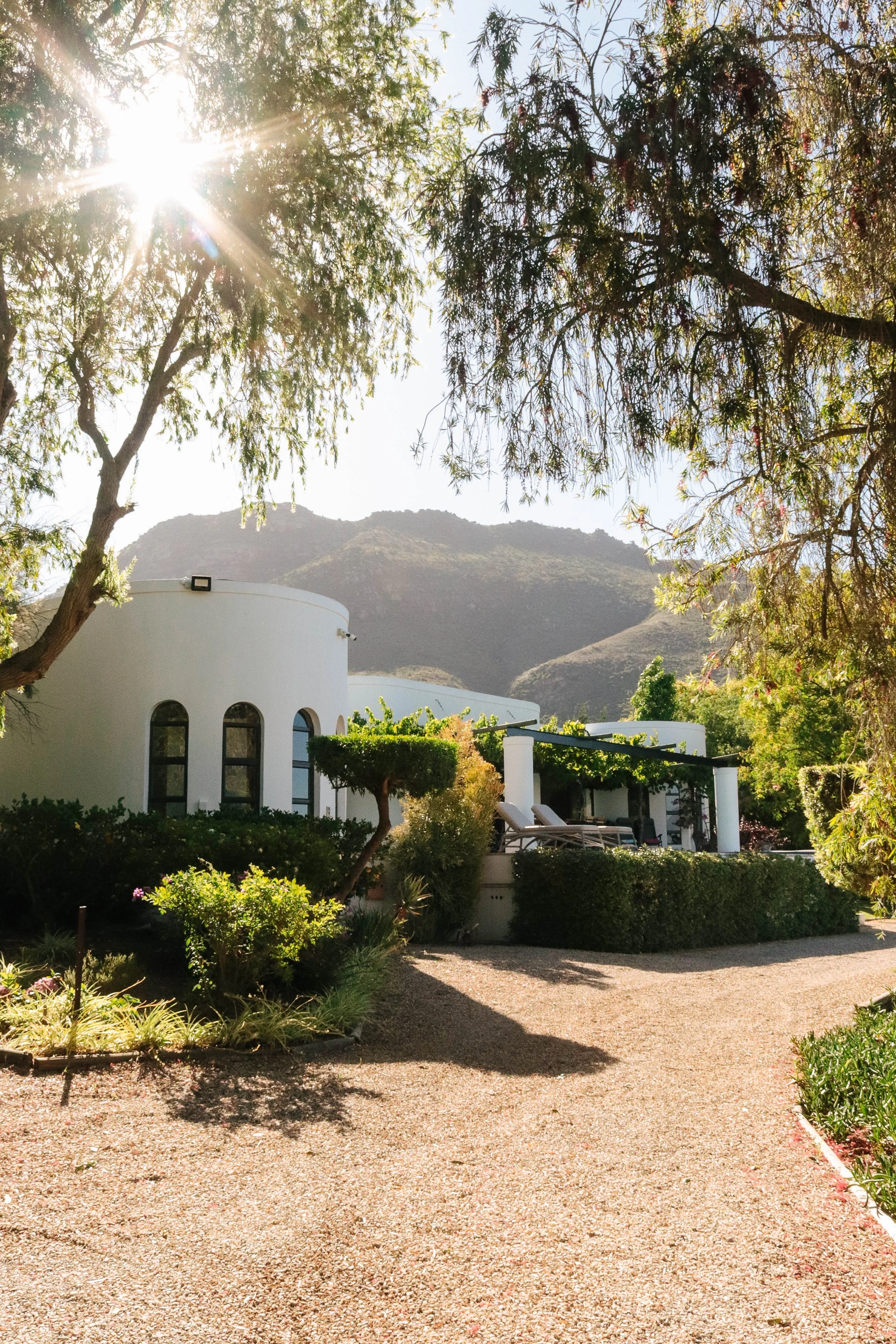
Life in the Riebeek Kasteel valley moves at a different pace - slower, softer, and far more human. Days stretch out gently here, shaped by the light, the vineyards, and the quiet charm of a small town where everything is close enough to wander to, yet far enough apart to give you space.
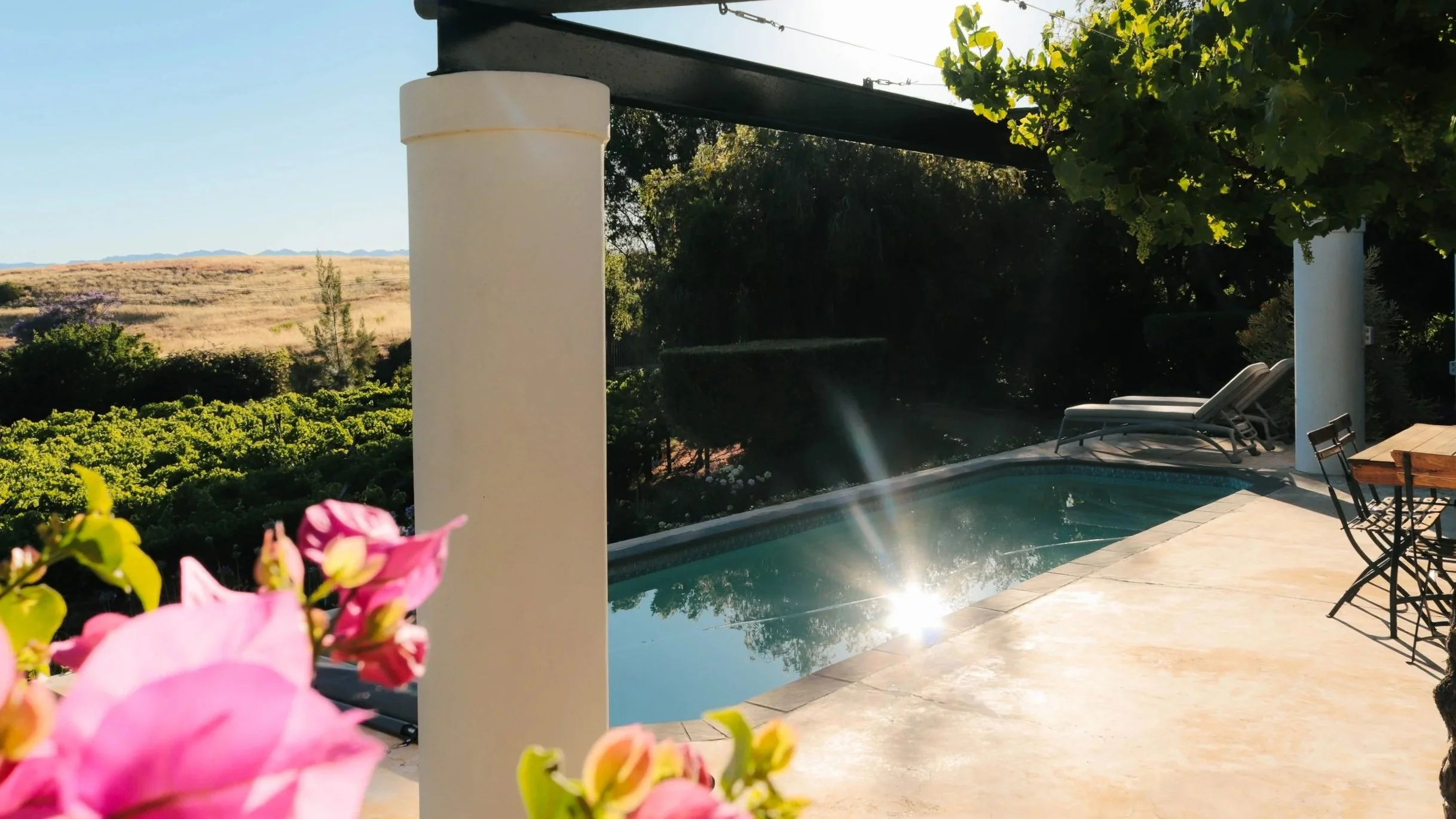
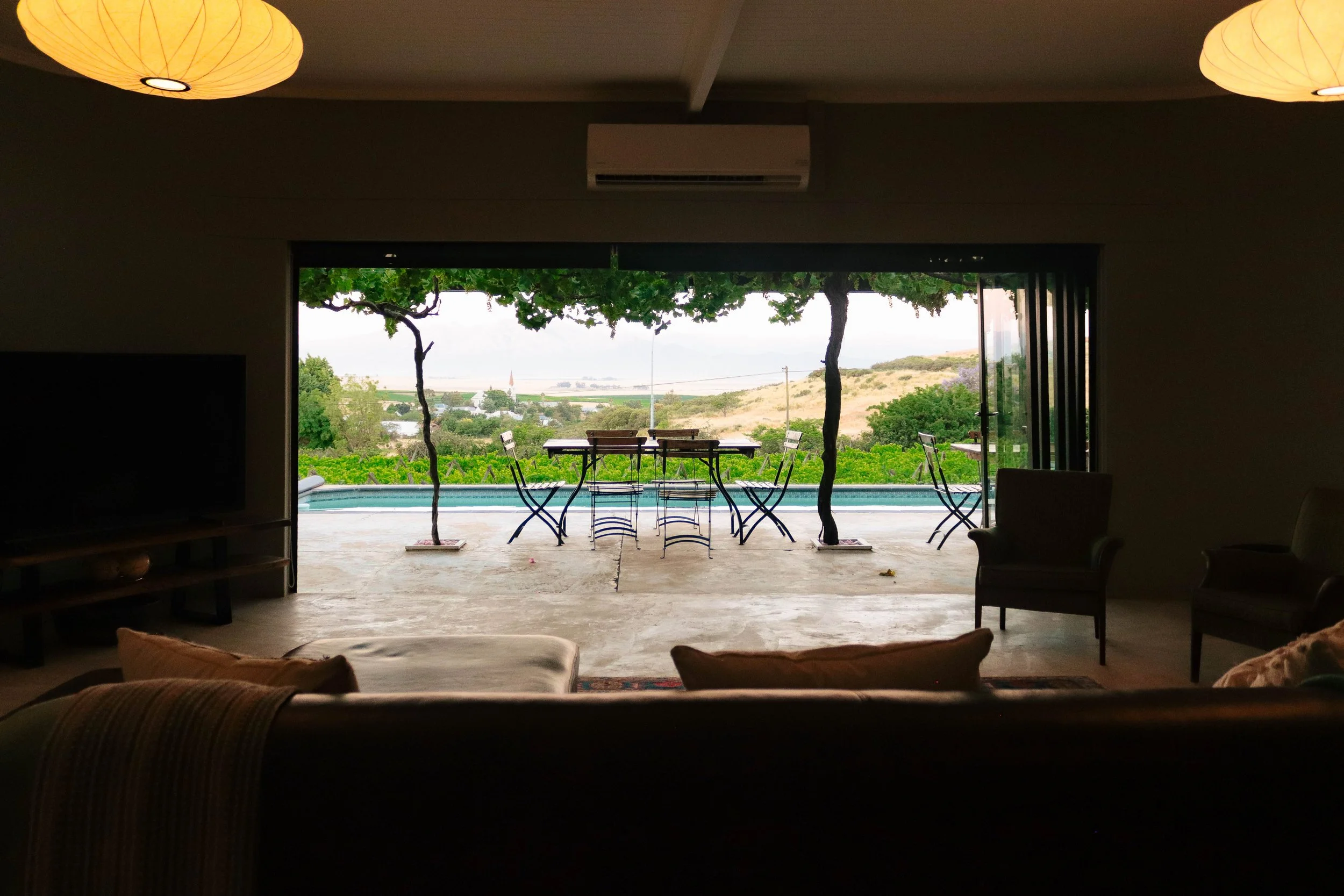
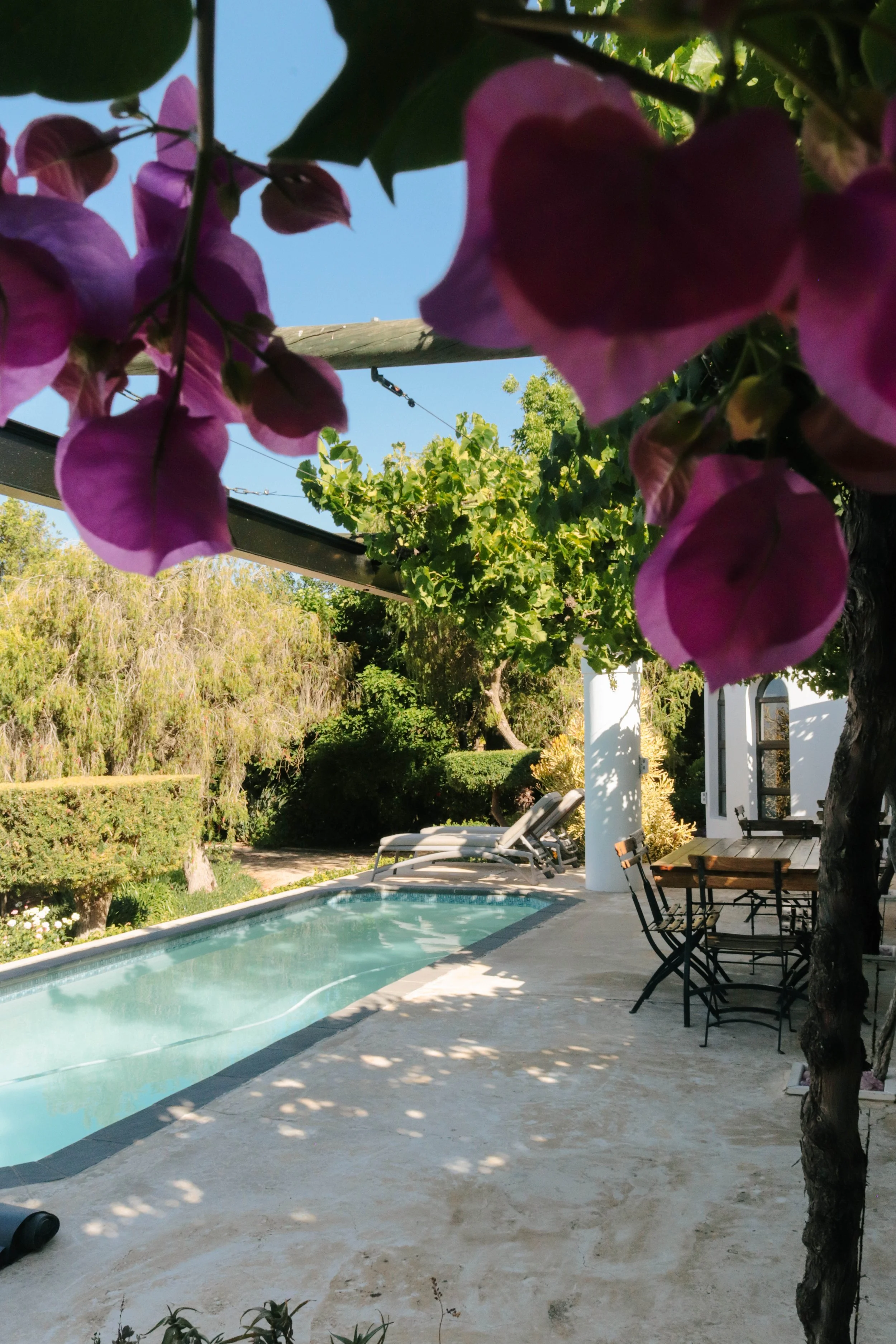
Staying at Villa Allegria becomes part of this rhythm: slow mornings in the kitchen, unhurried afternoons by the pool, and easy meanders through wine farms, olive groves, and the streets of the village.
Everything invites you to take your time, look a little longer, taste a little slower, and fall into the ease of the valley.
The Rhythm of a Day at Allegria.
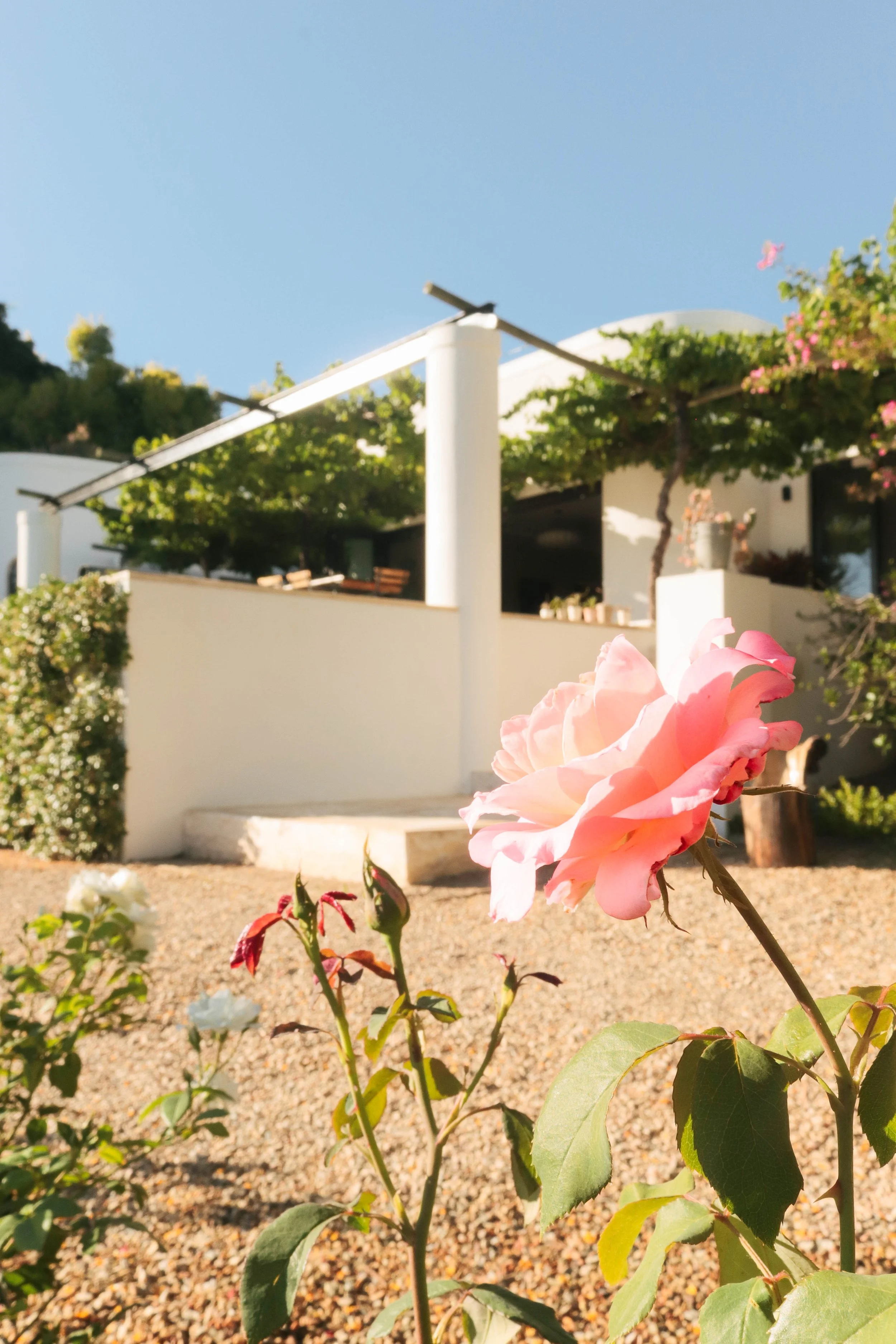
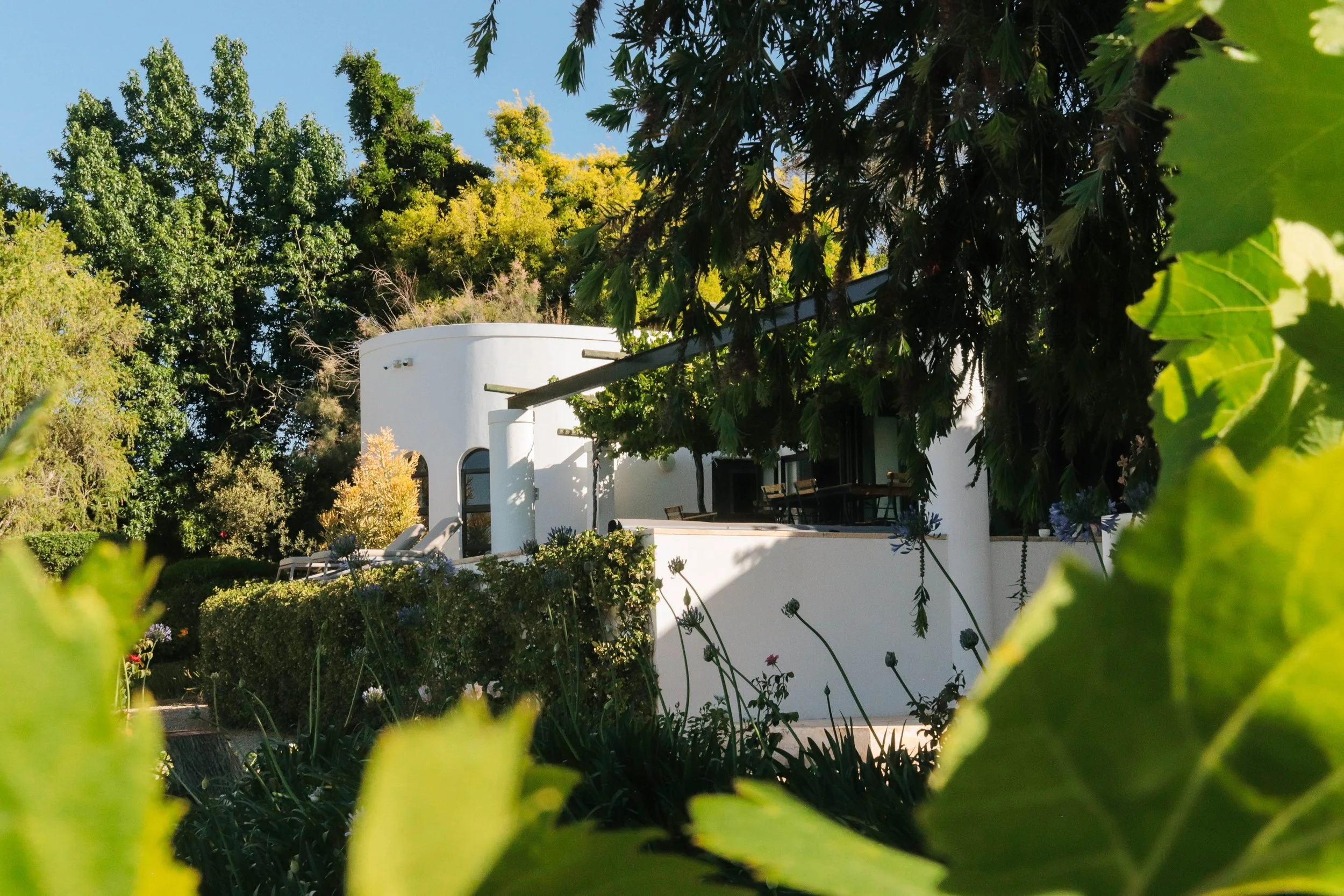
A stay at Villa Allegria is gentle, spacious, and centred around simple daily pleasures. Guests move easily between the house, the garden, the pool, and the terraces; the villa is designed to give everyone room to do their own thing without feeling separated.
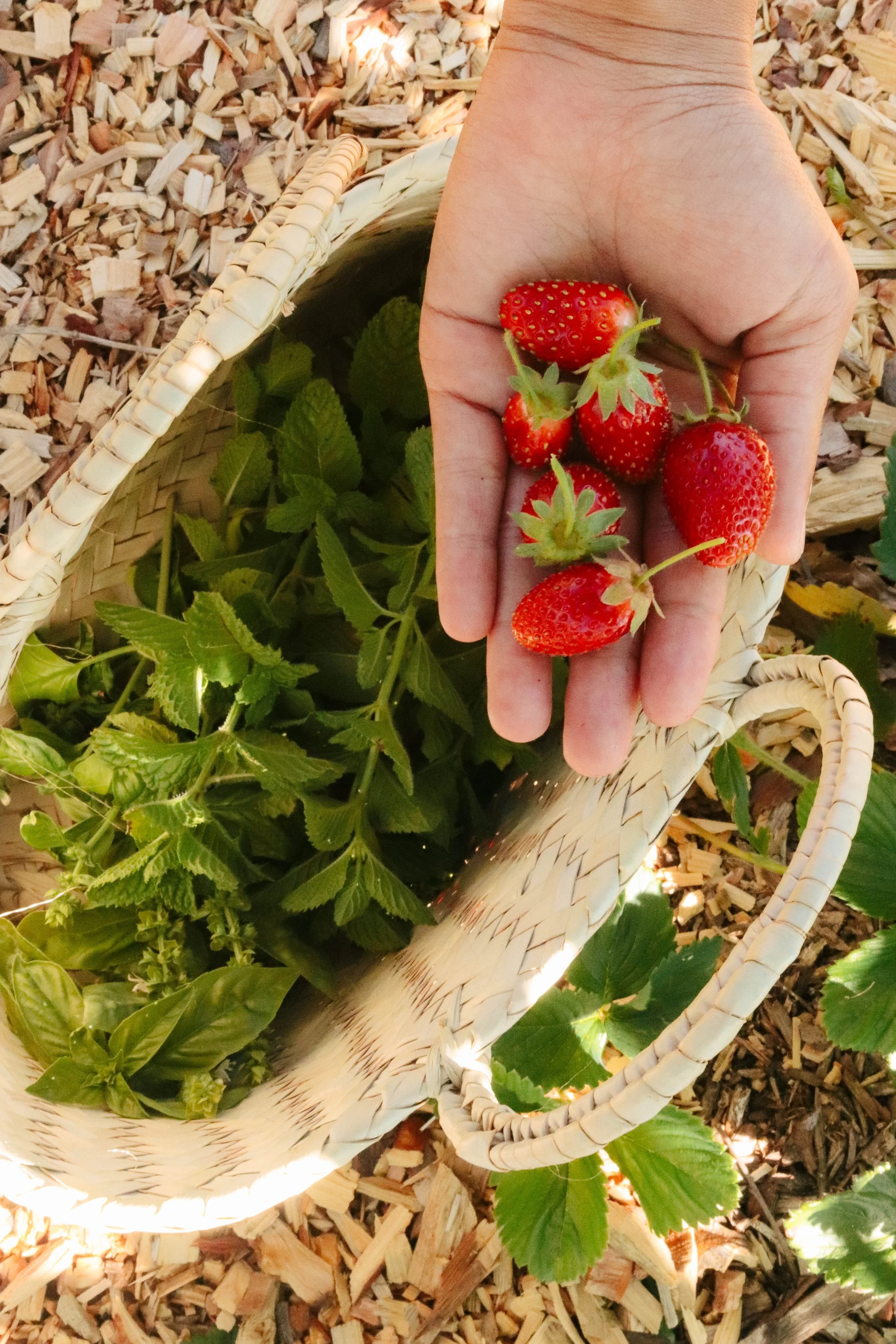
The organic food garden is a big part of the experience. Herbs are picked daily by Juliana and Joaquina, and seasonal fruit and vegetables can be requested at any time, and any access is made into jams and pickles. Many guests cook most of their meals here because it’s easy: the kitchen is well-equipped, the produce is genuinely fresh, and the outdoor terraces make long lunches or dinners feel natural rather than planned.
Most days follow a loose rhythm of swimming, cooking, resting, exploring the valley, and coming back to the villa to reset. Meals tend to stretch out - the front terrace for breakfast or early dinners, the back terrace for shaded lunches, and the braai area for evenings when everyone feels like cooking together.
The villa gives you what you need to slow down without trying. You spend your time using the space as it’s meant to be used: eating well, resting, exploring when you feel like an adventure, and returning to a home that’s comfortable, beautiful, and easy to live in.
Exploring the Valley.
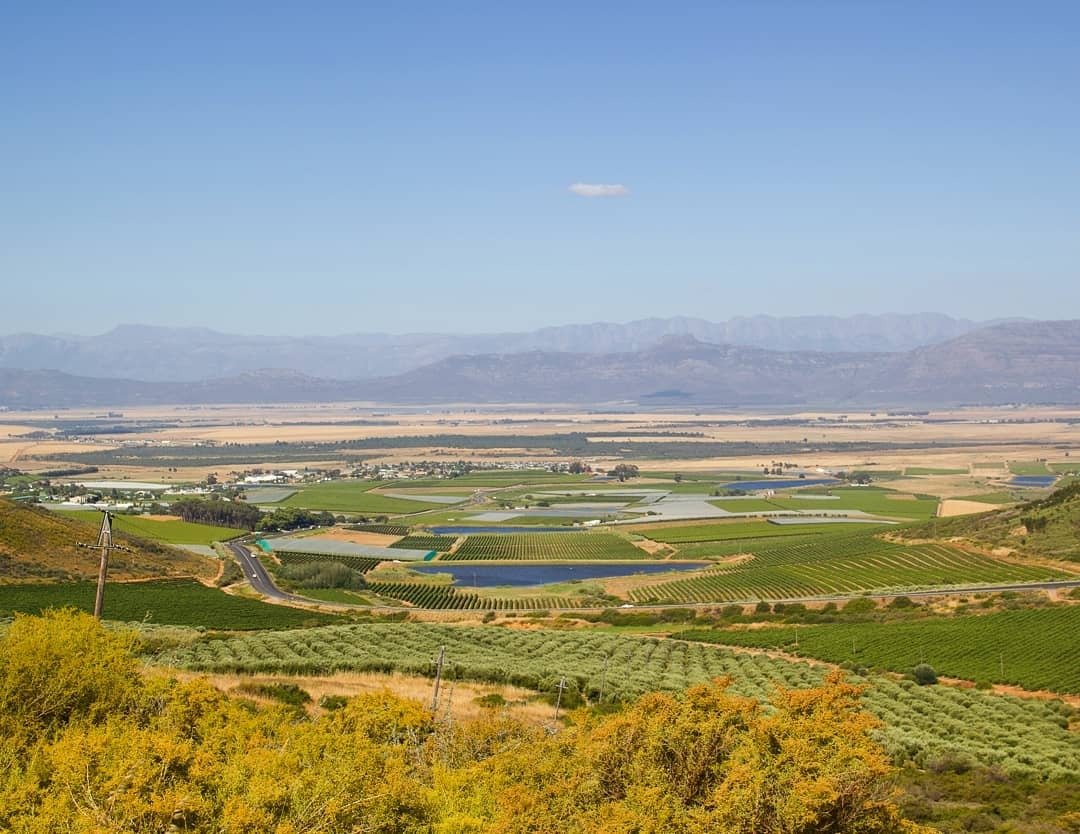
Riebeek Kasteel is small enough to feel familiar within a day, yet layered enough that you keep finding new corners to enjoy. Nothing requires a plan. You wander, taste, pause somewhere for longer than you meant to, and head home when you feel like it. That’s the pace of the valley - steady, unhurried, and shaped by a feeling.
Wine and olives are at the centre of this region, so most outings naturally drift toward estates, tasting rooms, and small producers. The drive between them is short, and the landscape becomes part of the experience: rolling hills, old vineyards, olive groves, and long views across the Swartland.
Wine & Olive Country.
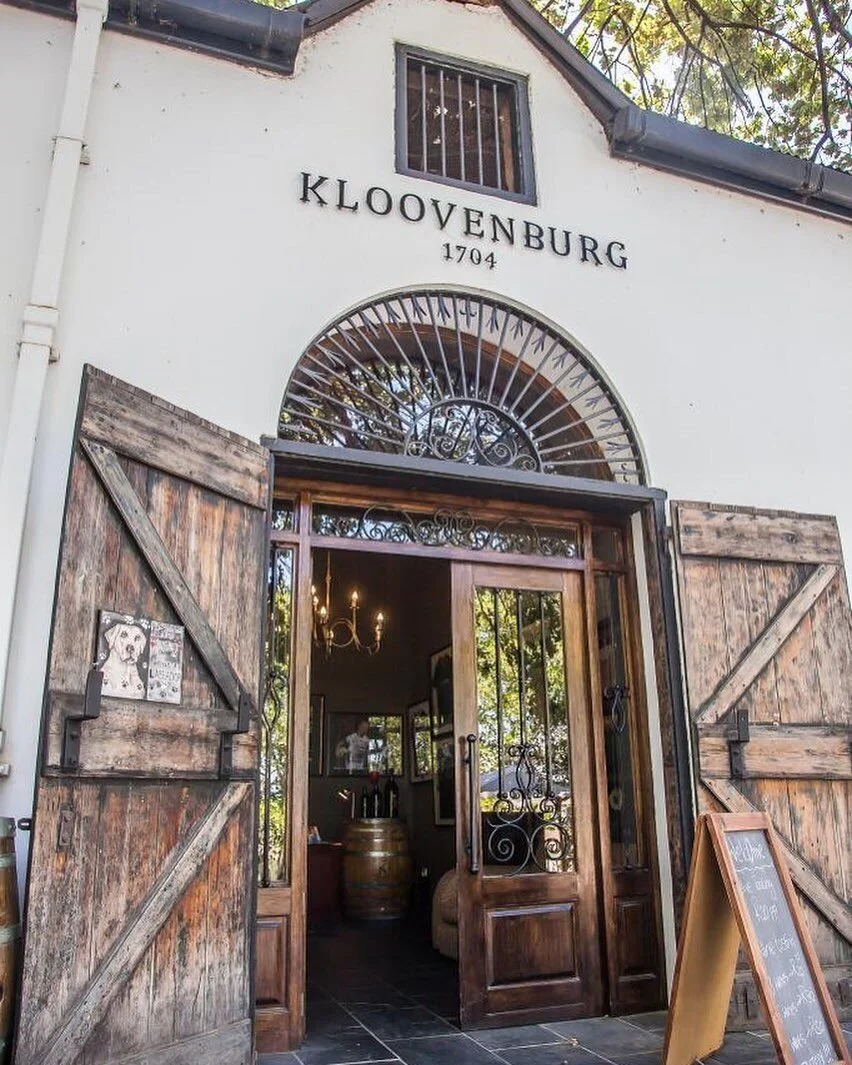
A few minutes from the villa is Kloovenburg Wine & Olive Estate, a landmark in the valley and one of its oldest family-run farms. Their wines are well regarded, and the olive tasting is worth doing properly - oils, tapenades, cured olives, and products made from the estate’s own groves. It’s relaxed, unpretentious, and a good way to understand the agricultural backbone of the region.
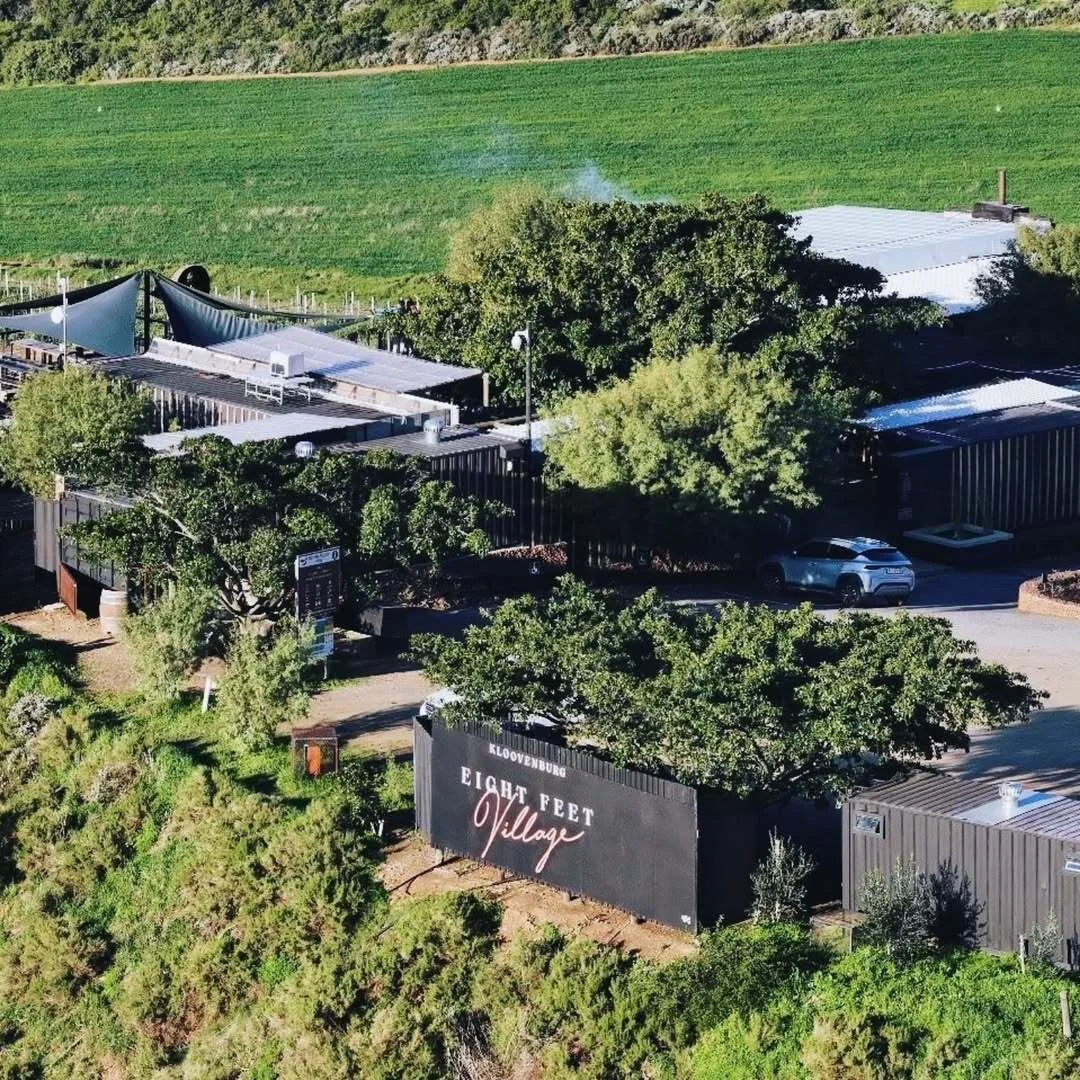
Across the road, Eight Feet Village is part of the Kloovenburg offering and an easy stop for coffee or a light bite. The views over the valley from the Bothmaskloof side make it a spot people return to even if they’re not doing a full tasting.
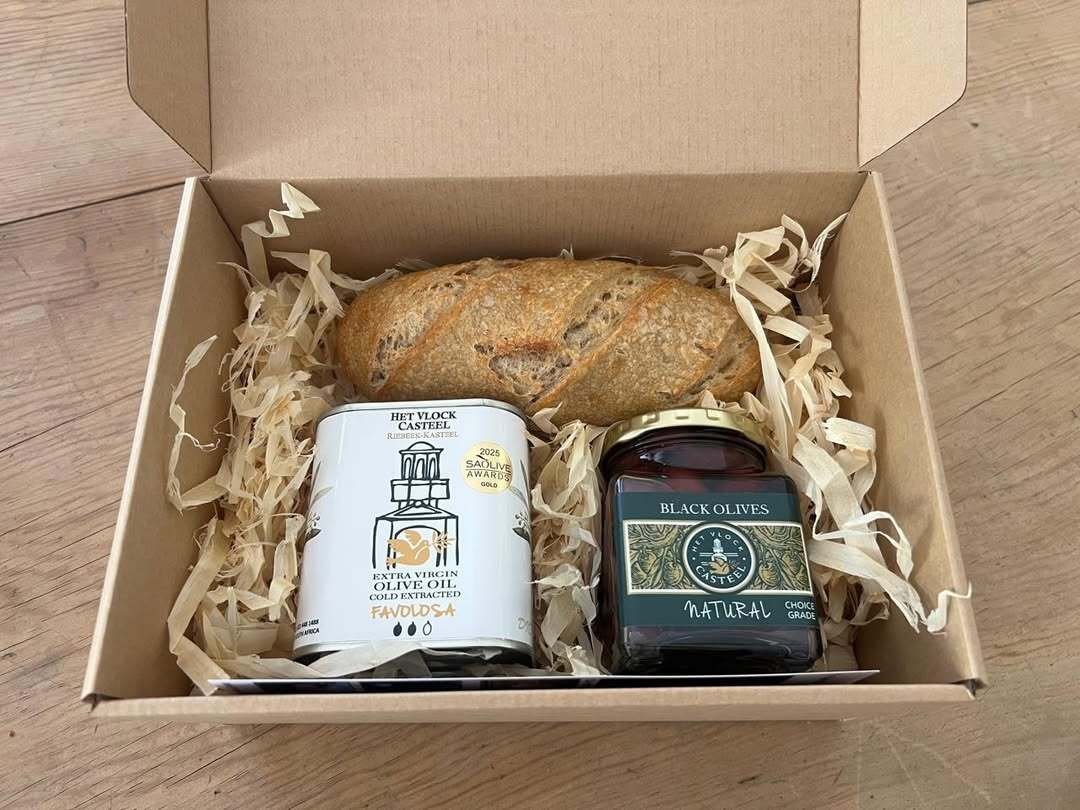
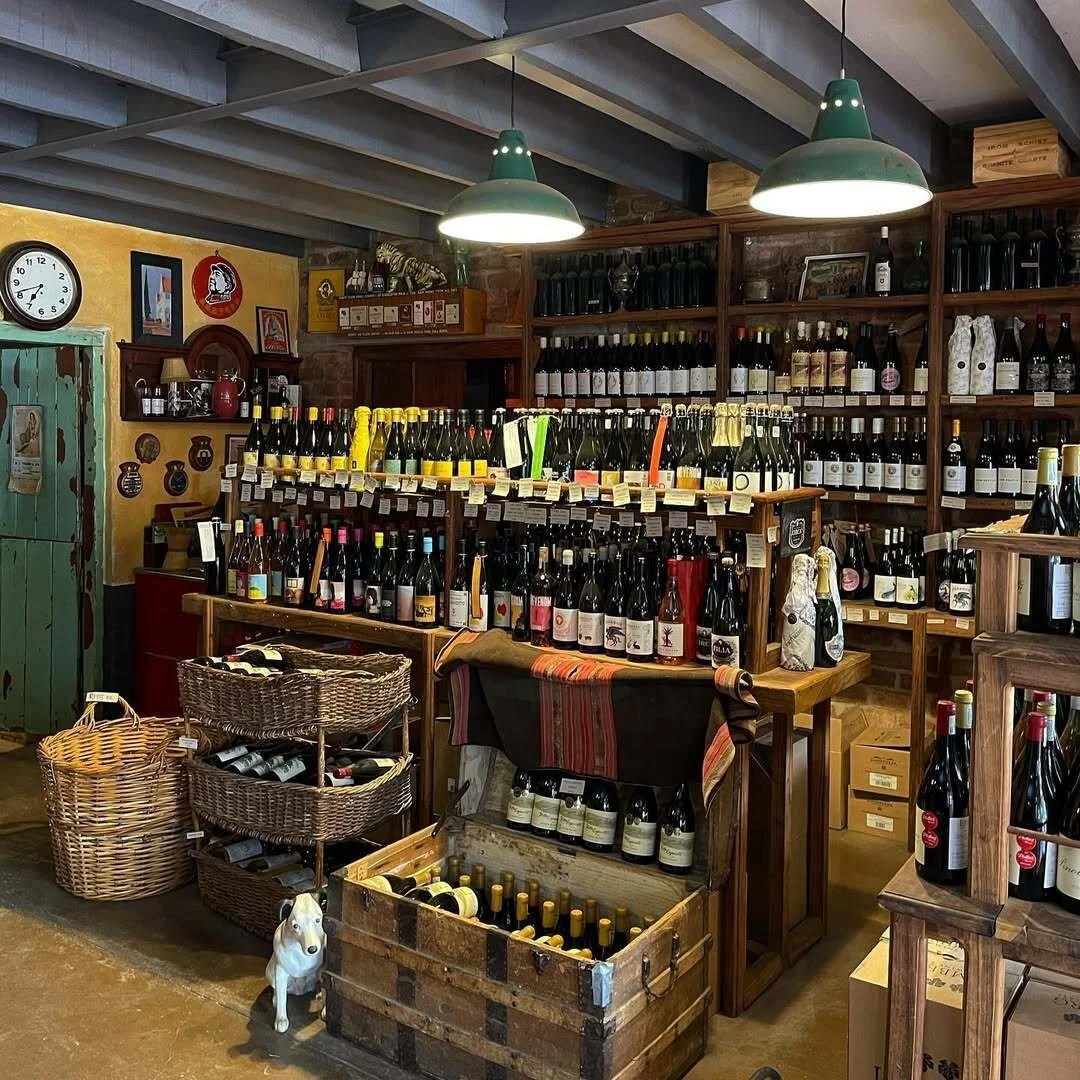
A little further into town sits Het Vlock Casteel, known for its shelves of olive products, preserves, chutneys, jams, and oils, all farm-made, all tied to the seasons. It’s one of the valley’s most consistent and beloved stops for stocking up your kitchen back at the villa.
For guests wanting to explore more widely, the area forms part of the Swartland Wine & Olive Route, which connects boutique producers, independent winemakers, and small olive farms. It’s a more personal wine region than many others; conversations with makers are common, and tastings tend to feel slow and welcoming rather than orchestrated.
Shops, Markets & Local Stops
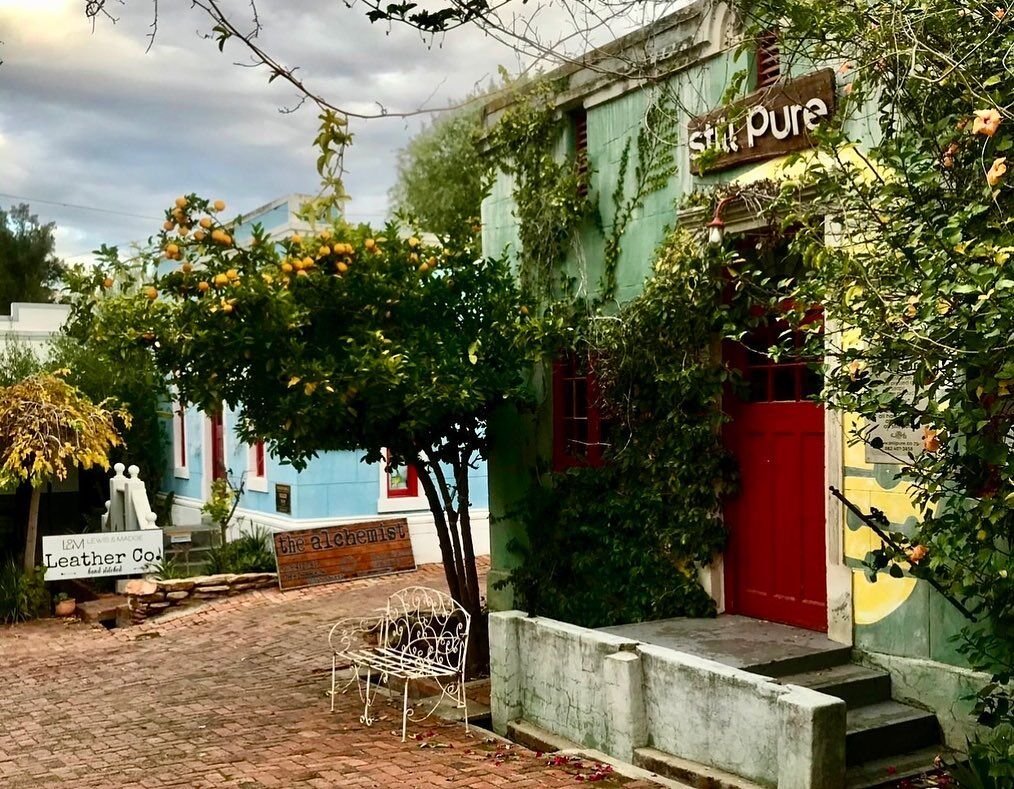
Riebeek Kasteel itself is compact and walkable, with a handful of places worth drifting through between tastings and meals.
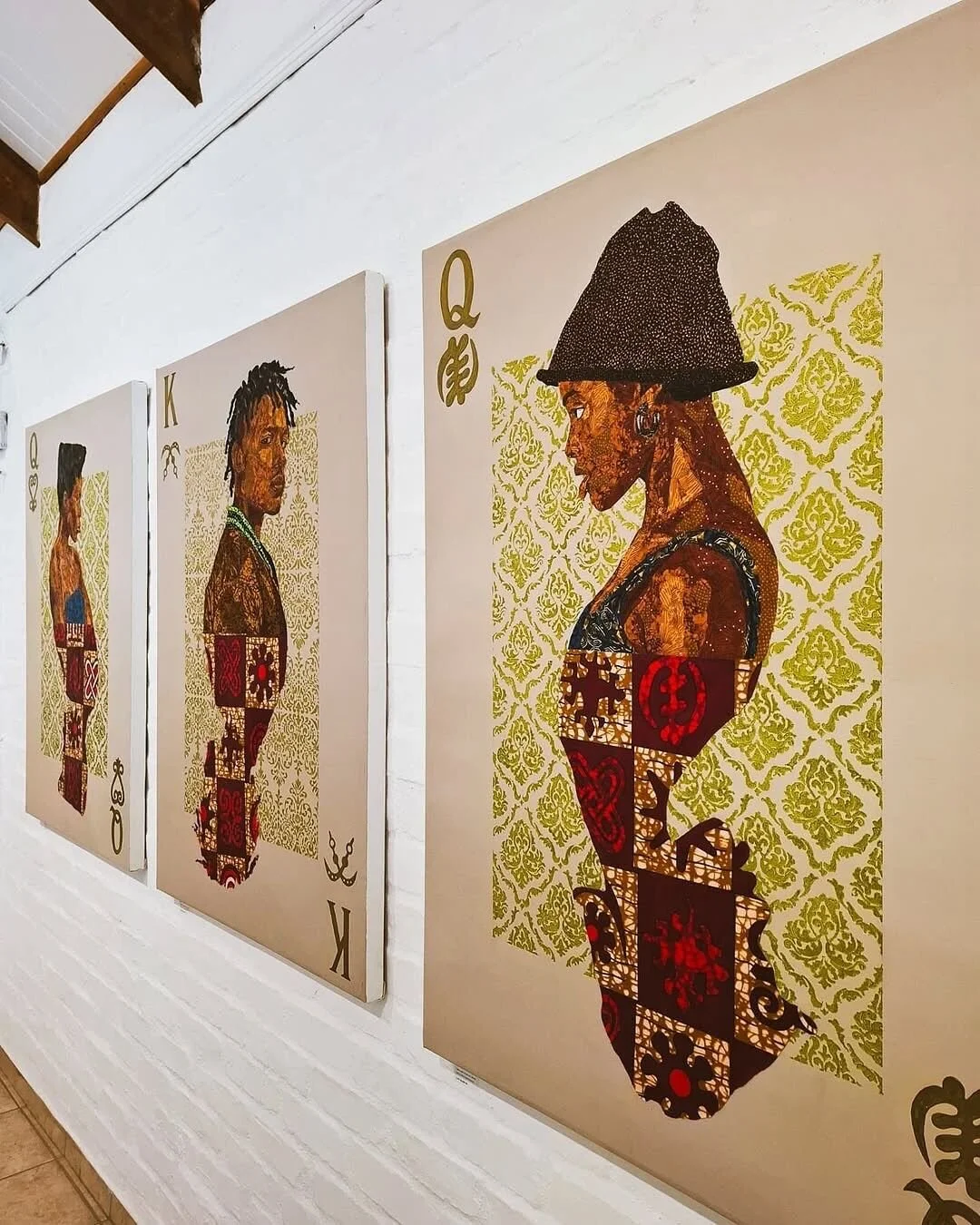
The Gallery brings together works from local artists and gives a sense of the creative community here.
The Wine Kollective curates a strong selection of Swartland wines, including bottles from small producers you won’t easily find elsewhere.
The Short Street Market, held on the last Saturday of each month, brings food stalls, crafts, and locals into the streets — not a large market, but a lively one.
The De Oude Kerk Museum offers a short but worthwhile look at the valley’s early history, settlement, and farming traditions.
These aren’t high-gloss attractions; they’re small pieces of the town that give it its character. Most guests weave them naturally into a morning walk or an afternoon outing.
Whenever you visit, the experience tends to be the same at its core: slow days, good wine, generous produce, and a countryside that encourages you to take your time.
Slow Living in the Riebeek Kasteel Valley